Trump’s Iran war sends prices soaring in ‘largest’ increase in nearly two years: WSJ
Trump’s Iran war sends prices soaring in ‘largest’ increase in nearly two years: WSJ
https://www.rawstory.com/inflation-2676697463/
Posted by InsaneSnow45
3 Comments
rhino910 on
Next election be sure to thank the Republicans for their wonder gift
InsaneSnow45 on
>Prices in the United States skyrocketed by a staggering 0.9% in March, or by 3.3% when compared to a year earlier, according to a new report from the Bureau of Labor Statistics (BLS) published on Friday that took into account the market effects of the U.S. war against Iran, the “largest annual increase since May 2024,” The Wall Street Journal reported.
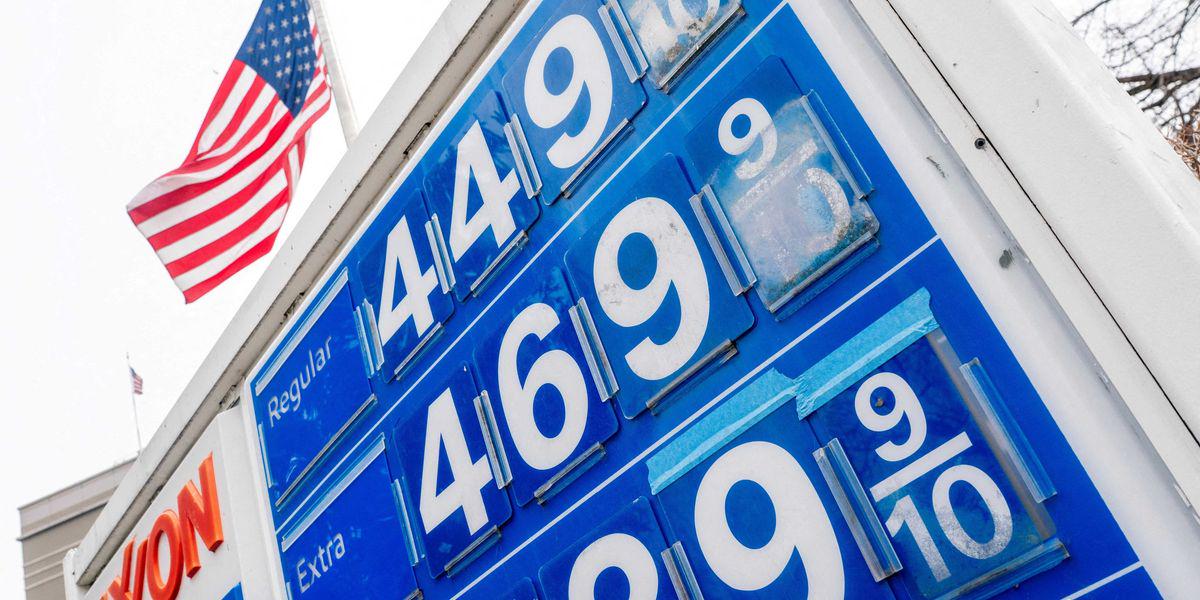
>The data comes from the BLS’ monthly Consumer Price Index report, which measures the average change over time in prices for common household goods like groceries, health care and transportation. Leading the cost increase was a 21.2% increase in gasoline costs, which “accounted for nearly three quarters of the monthly all items increase,” the BLS’ report reads.
>Typically, monthly increases in costs range between 0.2% and 0.3%, making the nearly 1% increase abnormal. The price increases are largely seen as a direct result of the Trump administration’s war against Iran, which resulted in a major disruption of trade flow through the Strait of Hormuz, which sent oil prices soaring, and in turn, the cost of consumer goods as well.
tognneth on
Yeah—this headline is directionally accurate, but it’s a bit simplified (and slightly political framing tbh).
What actually happened
US inflation hit ~3.3% YoY in March
Monthly jump was ~0.9% — biggest in nearly 2 years �
mint
Main driver: oil shock from the Iran conflict
Gas prices spiked sharply (some estimates ~20% jump mid-month) �
Barron’s
So the “prices soaring” part? ✔️ True
The “largest increase in nearly two years”? ✔️ Also true
Is it all because of “Trump’s Iran war”?
Real talk: not entirely.
Even before the war:
Inflation was already above the Fed’s 2% target �
Investopedia
Economy was slowing down �
MarketWatch
What the war did:
Pushed oil prices up fast (Strait of Hormuz disruption = huge deal)
Added a sudden spike on top of existing inflation pressure
So it’s more like:
Existing inflation + energy shock = sharp jump
Why energy matters so much (this is the key)
When oil jumps:
Transport costs rise
Food prices rise
Flights, logistics, manufacturing → all go up
That’s why a geopolitical event shows up in CPI within weeks.
What this means going forward
Federal Reserve is now less likely to cut rates soon
Inflation could stay elevated even if the war cools (lag effect) �
Business Insider
If oil stays high → risk of stagflation-lite scenario
My honest take (cutting through the noise)
Ngl headlines like this are designed to assign blame.
War definitely made inflation worse fast
But inflation wasn’t “caused from zero” by it
And this kind of oil-driven spike would’ve happened under any administration
So yeah:
Policy decisions matter
But global energy shocks > politics in the short term

3 Comments
Next election be sure to thank the Republicans for their wonder gift
>Prices in the United States skyrocketed by a staggering 0.9% in March, or by 3.3% when compared to a year earlier, according to a new report from the Bureau of Labor Statistics (BLS) published on Friday that took into account the market effects of the U.S. war against Iran, the “largest annual increase since May 2024,” The Wall Street Journal reported.
>The data comes from the BLS’ monthly Consumer Price Index report, which measures the average change over time in prices for common household goods like groceries, health care and transportation. Leading the cost increase was a 21.2% increase in gasoline costs, which “accounted for nearly three quarters of the monthly all items increase,” the BLS’ report reads.
>Typically, monthly increases in costs range between 0.2% and 0.3%, making the nearly 1% increase abnormal. The price increases are largely seen as a direct result of the Trump administration’s war against Iran, which resulted in a major disruption of trade flow through the Strait of Hormuz, which sent oil prices soaring, and in turn, the cost of consumer goods as well.
Yeah—this headline is directionally accurate, but it’s a bit simplified (and slightly political framing tbh).
What actually happened
US inflation hit ~3.3% YoY in March
Monthly jump was ~0.9% — biggest in nearly 2 years �
mint
Main driver: oil shock from the Iran conflict
Gas prices spiked sharply (some estimates ~20% jump mid-month) �
Barron’s
So the “prices soaring” part? ✔️ True
The “largest increase in nearly two years”? ✔️ Also true
Is it all because of “Trump’s Iran war”?
Real talk: not entirely.
Even before the war:
Inflation was already above the Fed’s 2% target �
Investopedia
Economy was slowing down �
MarketWatch
What the war did:
Pushed oil prices up fast (Strait of Hormuz disruption = huge deal)
Added a sudden spike on top of existing inflation pressure
So it’s more like:
Existing inflation + energy shock = sharp jump
Why energy matters so much (this is the key)
When oil jumps:
Transport costs rise
Food prices rise
Flights, logistics, manufacturing → all go up
That’s why a geopolitical event shows up in CPI within weeks.
What this means going forward
Federal Reserve is now less likely to cut rates soon
Inflation could stay elevated even if the war cools (lag effect) �
Business Insider
If oil stays high → risk of stagflation-lite scenario
My honest take (cutting through the noise)
Ngl headlines like this are designed to assign blame.
War definitely made inflation worse fast
But inflation wasn’t “caused from zero” by it
And this kind of oil-driven spike would’ve happened under any administration
So yeah:
Policy decisions matter
But global energy shocks > politics in the short term