
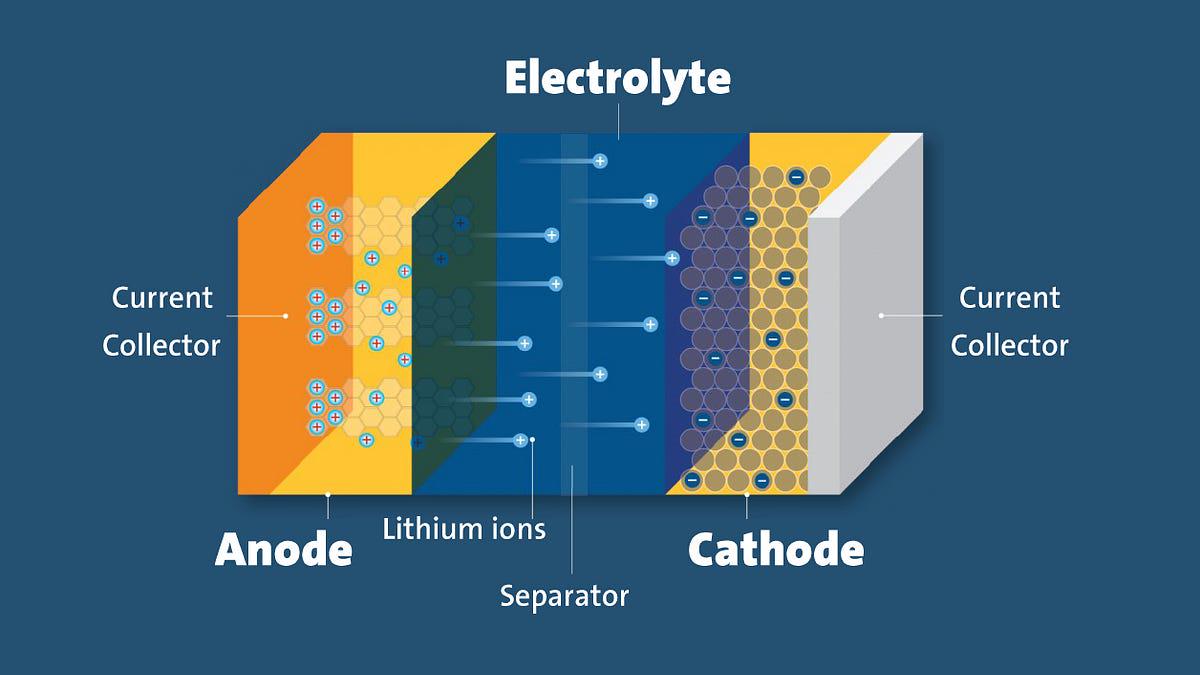
I’ve been on a big solar kick lately, but the battery bottleneck at sunset is driving me crazy. The default assumption is that we'll just scale up lithium-ion to run the grid at night, but the math just doesn't work.
I was running the numbers on NYC, and just to meet their daily demand with lithium-ion, the battery cells alone would cost $15.4 billion. Once you add in real estate, specialized labor, and permitting, it'd eat up half the city’s infrastructure budget for a decade. Not to mention the environmental side—lithium brine extraction is literally sucking freshwater out of the Atacama Basin and turning it into a desert.
Why aren't we talking more about iron-air batteries for the grid? They’re huge and less efficient, but they just use iron, water, and air. They cost around $33/kWh (compared to lithium’s $108/kWh) and they can actually discharge for days at a time.
I wrote up a deeper dive on the numbers and the environmental impact here if anyone wants to check it out: https://samholmes285.substack.com/p/the-speed-limit-of-solar-energy-why
Genuinely curious what you guys think. Are we stuck in a sunk-cost fallacy with lithium, or is there a policy reason we aren't pivoting to iron-air faster?
Let's move away from lithium-ion and towards iron-air batteries for solar energy systems
byu/holmess2013 inenergy
Posted by holmess2013
5 Comments
It’s not that they *can* discharge for days…..they *have* to discharge for days
It’s a very slow process
Nobody uses anything but LFP for grid storage these days
If you’ve got 2 hours of peak solar to store and then distribute why do you want a battery limited to 1/100C charging? Answer – you don’t
Even your grid scale iron batteries would need lithium batteries to handle peaks
We don’t decide these things by vote. You develop a project and sell it. Nobody is stopping you
Just read it all – nothing about this is good faith. You break down lithium components in detail but then say iron batteries using nothing but iron. Bullshit. You established a format now abide by it
Oh and grid batteries are heavy? Meaningless. Use figures. Wh per kg is the very least you can do.
The economics of storage doesn’t change when you change chemistry. The more days of storage the less profitable cycles per year. Show the math
You go into details on lithium mining but break format again for iron mining. Not a peep
It’s not done in good faith
https://youtu.be/fb2BaANfCLg
Check out this video by just have a think.
At 4 minutes they show a graph of discharge time vs energy. You can see that different technologies fall into different spots on the chart.
We are going to need those different technologies to stabilize the grid on different timescales.
It’s wrong to pit one technology against another. They are providing complementary services.
Lithium ion and iron air batteries are not in competition.
Iron air is too expensive for short term load shifting (intra-day to about out to two days) where the cost calculation for lithium ion (or sodium ion) batteries excels.
Lithium (or sodium) ion is too expensive for long term storage (4 days to about two weeks) where the cost calculation for iron air batteries excels.
The reason is while lithium ion/sodium ion is more expensive to set up they can cycle way more often within the average lifetime of a system in the energy storage space (20 years) and are way more efficient (over 90% vs. only 60% for iron air batteries).
However when you go to longer storage situations iron air starts to become cheaper.
In the end it’s a very simple calculation: How many cycles will such a system do within 20 years? How much power goes out in that time? How much cost is that per kWh delivered?
For lithium and the typical “shift power from midday solar peak to evening/next morning” you get to about 2ct/kWh from CAPEX at current turnkey ready system prices.
To be able to do the same with iron air you’d get to over 4ct/kWh (due to the low power output you would have to *vastly* overspec the energy capacity of such a system to deliver the same utility)
On the other hand for iron air and the 8 day cycle they can support you come out just over 6ct/kWh, but if you were to only cycle lithium once during such a duration that would come out to 16ct/kWh.
(Note that in all the calculated cases the power stored is assumed to be gotten ‘for free’. If you have to actually buy the power – which seems like a fair assumption – then iron air’s numbers worsen more than those for lithium or sodium because of their much lower efficiency)
The simple answer is that it is utter nonsense. Lithium reacts violently with the oxygen in the air.
Please do not make plans based on a false assumption. The proposal compares with BBQ acouple of feet underwater in the ocean.
LiPOFe is a well know technology.