Amos Hochstein: “Whatever the outcome of the war with Iran, it has already delivered a lesson the world cannot afford to ignore. A single regime has decided to exert control over a 21-mile passage, and as a result, we are living through the worst energy crisis the world has ever seen.
“The near-closure of the Strait of Hormuz has removed 9 million to 10 million barrels of crude oil from global markets each day, but that is only the beginning of the economic damage. The present crisis is worse than the Arab oil embargo of 1973, and broader than the Russian gas cutoff that followed the 2022 invasion of Ukraine …
“The vulnerability of the global energy supply to Iranian coercion cannot be remedied by any military operation, diplomatic cease-fire, or drawdown of strategic reserves. The only long-term solution is new infrastructure—making a massive, internationally coordinated investment in energy corridors that bypass the Strait of Hormuz entirely.
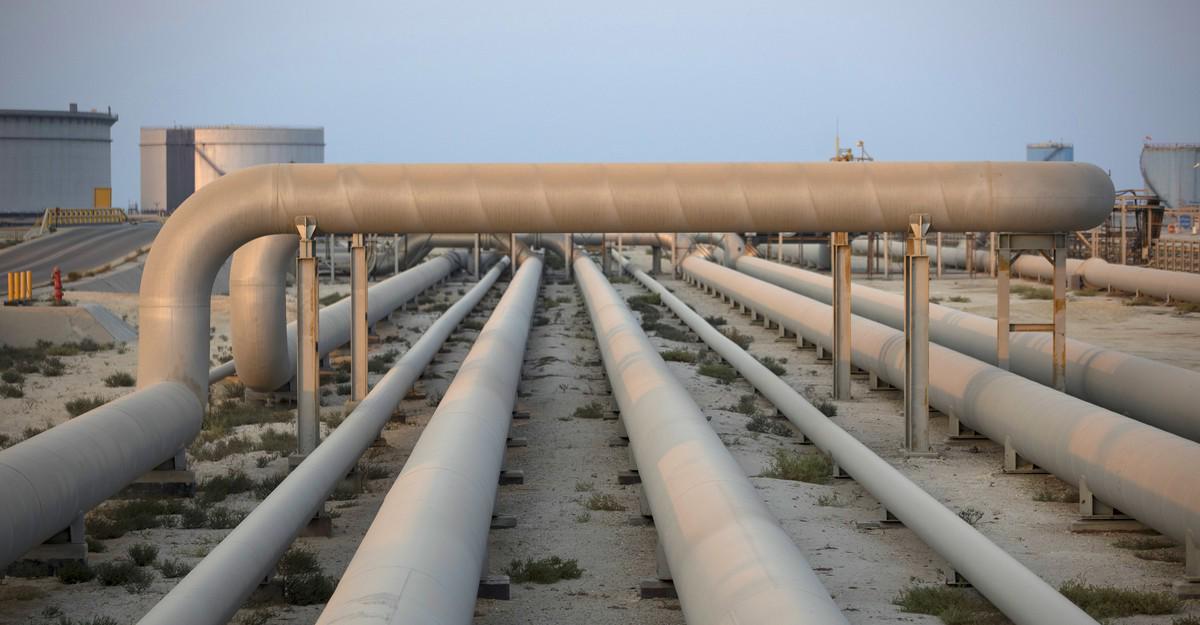
“Just two major pipeline systems are currently capable of moving Gulf energy to global markets without going through the Strait of Hormuz, and they are running near or at their maximum capacity. Both carry crude oil, but not the refined products the world is running out of. And a substantial portion of the Gulf, possessing some of the world’s most significant hydrocarbon reserves, has no bypass route at all.
“If the United States—and the world—want to avoid a recurrence of the present crisis, they will need to help double the capacity of the two pipelines that exist, build refined-product infrastructure alongside them, and construct a new corridor for the producers who have none …
“More important, the world is short not only on crude oil; it is desperately short on petroleum products. Crude pipelines do not move diesel or jet fuel or the liquefied petroleum gases that hundreds of millions of people use to cook their food. Those products will require their own dedicated infrastructure built alongside the expanded crude pipeline—separate lines, separate terminals, and separate investment …
“The third infrastructure challenge is the most urgent and the least discussed. Kuwait’s and Iraq’s southern oil fields, which contain enormous reserves that are crucial to global supply, do not have access to any bypass route. They are entirely exposed; almost every barrel they produce must transit Hormuz. The solution is constructing a modern, high-capacity pipeline corridor of oil, natural gas, and products from southern Iraq and Kuwait northward through Iraqi Kurdistan to the Ceyhan export terminal on Turkey’s Mediterranean coast. A version of this route—the Kirkuk–Ceyhan pipeline—already exists, but it is aging, its capacity is far below what is required, and its administration is politically fractured …
“The current energy crisis is a problem for the whole world, so finding a solution cannot be left to the Gulf states alone. Saudi Arabia and the UAE have already demonstrated extraordinary foresight—the Petroline and ADCOP exist because their governments made long-horizon investments against risks that markets would never have funded. The nations of Europe, Asia, and the Americas that depend on Gulf energy have an interest in ensuring that similarly forward-looking investments are made today. And it’s specifically in the interest of the United States to take the lead in such efforts, rather than lead a void that other actors—in particular, China—may seek to fill.”
You misspelled “The US & Israel did cowardly sneak bomb attacks during negotiations, twice.”
Xeynon on
> If the United States—and the world—want to avoid a recurrence of the present crisis, they will need to help double the capacity of the two pipelines that exist, build refined-product infrastructure alongside them, and construct a new corridor for the producers who have none.
I’m sure that infrastructure won’t immediately become a juicy target for attack or sabotage in the event of another war. /s
The reality is there is no way to circumvent the power that a country which is able to threaten a critical supply of a crucial resource gains from that ability. The Iranian regime is a bad actor but they’re a bad actor to strike back against the rest of the world very painfully which is why nobody has been stupid enough to start a war with them until now.
THedman07 on
If there’s one thing that we know, its that pipelines are completely impervious to bombs and missiles.

4 Comments
Amos Hochstein: “Whatever the outcome of the war with Iran, it has already delivered a lesson the world cannot afford to ignore. A single regime has decided to exert control over a 21-mile passage, and as a result, we are living through the worst energy crisis the world has ever seen.
“The near-closure of the Strait of Hormuz has removed 9 million to 10 million barrels of crude oil from global markets each day, but that is only the beginning of the economic damage. The present crisis is worse than the Arab oil embargo of 1973, and broader than the Russian gas cutoff that followed the 2022 invasion of Ukraine …
“The vulnerability of the global energy supply to Iranian coercion cannot be remedied by any military operation, diplomatic cease-fire, or drawdown of strategic reserves. The only long-term solution is new infrastructure—making a massive, internationally coordinated investment in energy corridors that bypass the Strait of Hormuz entirely.
“Just two major pipeline systems are currently capable of moving Gulf energy to global markets without going through the Strait of Hormuz, and they are running near or at their maximum capacity. Both carry crude oil, but not the refined products the world is running out of. And a substantial portion of the Gulf, possessing some of the world’s most significant hydrocarbon reserves, has no bypass route at all.
“If the United States—and the world—want to avoid a recurrence of the present crisis, they will need to help double the capacity of the two pipelines that exist, build refined-product infrastructure alongside them, and construct a new corridor for the producers who have none …
“More important, the world is short not only on crude oil; it is desperately short on petroleum products. Crude pipelines do not move diesel or jet fuel or the liquefied petroleum gases that hundreds of millions of people use to cook their food. Those products will require their own dedicated infrastructure built alongside the expanded crude pipeline—separate lines, separate terminals, and separate investment …
“The third infrastructure challenge is the most urgent and the least discussed. Kuwait’s and Iraq’s southern oil fields, which contain enormous reserves that are crucial to global supply, do not have access to any bypass route. They are entirely exposed; almost every barrel they produce must transit Hormuz. The solution is constructing a modern, high-capacity pipeline corridor of oil, natural gas, and products from southern Iraq and Kuwait northward through Iraqi Kurdistan to the Ceyhan export terminal on Turkey’s Mediterranean coast. A version of this route—the Kirkuk–Ceyhan pipeline—already exists, but it is aging, its capacity is far below what is required, and its administration is politically fractured …
“The current energy crisis is a problem for the whole world, so finding a solution cannot be left to the Gulf states alone. Saudi Arabia and the UAE have already demonstrated extraordinary foresight—the Petroline and ADCOP exist because their governments made long-horizon investments against risks that markets would never have funded. The nations of Europe, Asia, and the Americas that depend on Gulf energy have an interest in ensuring that similarly forward-looking investments are made today. And it’s specifically in the interest of the United States to take the lead in such efforts, rather than lead a void that other actors—in particular, China—may seek to fill.”
Read more: [https://theatln.tc/k1ILXj10](https://theatln.tc/k1ILXj10)
You misspelled “The US & Israel did cowardly sneak bomb attacks during negotiations, twice.”
> If the United States—and the world—want to avoid a recurrence of the present crisis, they will need to help double the capacity of the two pipelines that exist, build refined-product infrastructure alongside them, and construct a new corridor for the producers who have none.
I’m sure that infrastructure won’t immediately become a juicy target for attack or sabotage in the event of another war. /s
The reality is there is no way to circumvent the power that a country which is able to threaten a critical supply of a crucial resource gains from that ability. The Iranian regime is a bad actor but they’re a bad actor to strike back against the rest of the world very painfully which is why nobody has been stupid enough to start a war with them until now.
If there’s one thing that we know, its that pipelines are completely impervious to bombs and missiles.