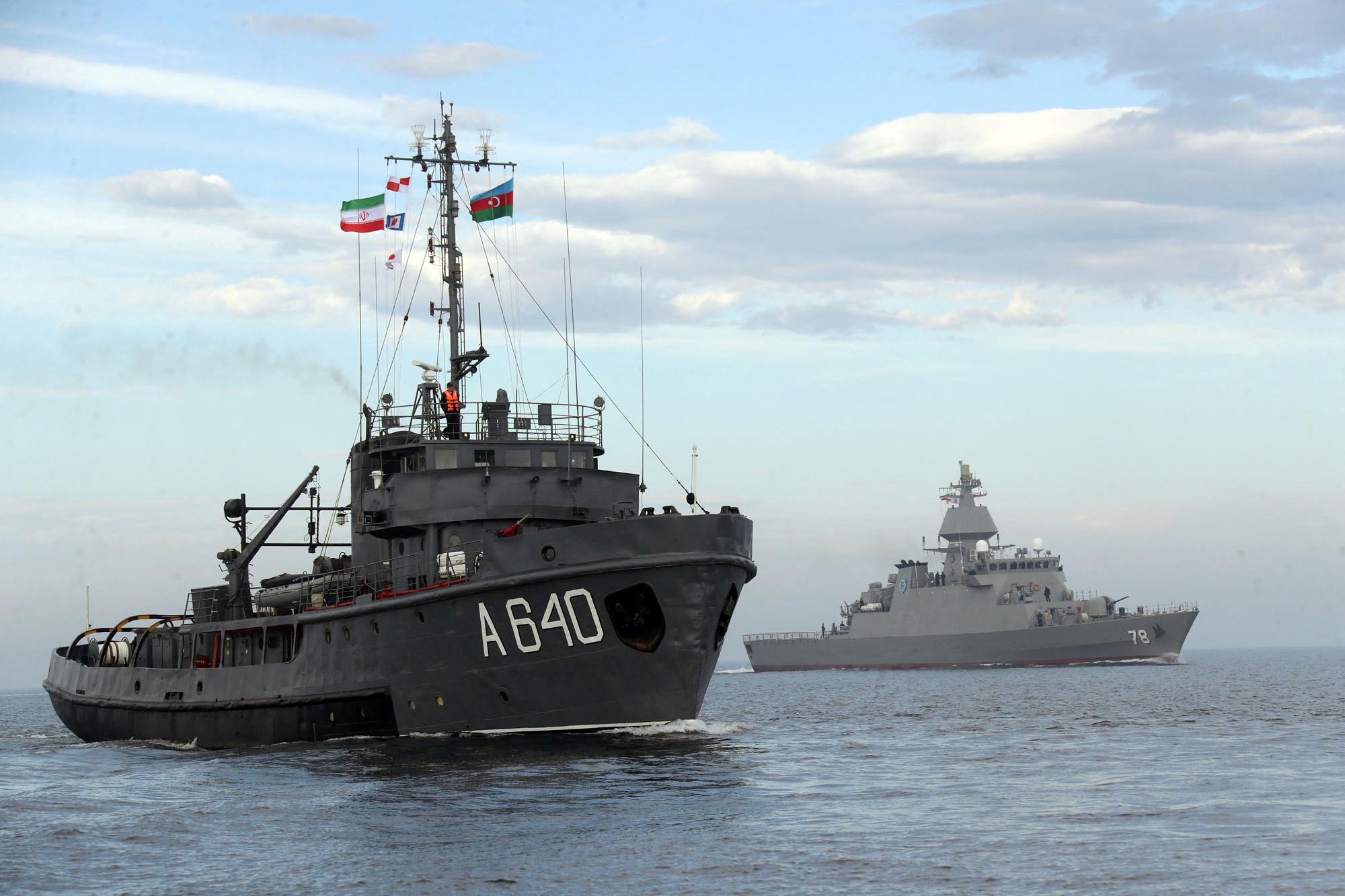
On March 18, Israel struck Bandar Anzali on the Caspian Sea, hitting warships, a shipyard, and port infrastructure. It was the first-ever missile attack in the Caspian. The target was the arms route between Iran and Russia, through which Shahed-design drones have flowed in both directions.
The strike has unsettled the entire region. Azerbaijan, Israel’s largest oil supplier and operator of the $35bn Southern Gas Corridor supplying Europe with energy, is now caught between a deepening Moscow-Tehran axis and the risk of Iranian strikes on its offshore infrastructure. Iran has already hit Nakhchivan’s airport with drones.
Fuad Shahbazov warns there is plenty of room for escalation and no room for winners. Moscow and Tehran will likely continue using the Caspian route. Israel may therefore strike again.

1 Comment
On March 18, Israel struck Bandar Anzali on the Caspian Sea, hitting warships, a shipyard, and port infrastructure. It was the first-ever missile attack in the Caspian. The target was the arms route between Iran and Russia, through which Shahed-design drones have flowed in both directions.
The strike has unsettled the entire region. Azerbaijan, Israel’s largest oil supplier and operator of the $35bn Southern Gas Corridor supplying Europe with energy, is now caught between a deepening Moscow-Tehran axis and the risk of Iranian strikes on its offshore infrastructure. Iran has already hit Nakhchivan’s airport with drones.
Fuad Shahbazov warns there is plenty of room for escalation and no room for winners. Moscow and Tehran will likely continue using the Caspian route. Israel may therefore strike again.