
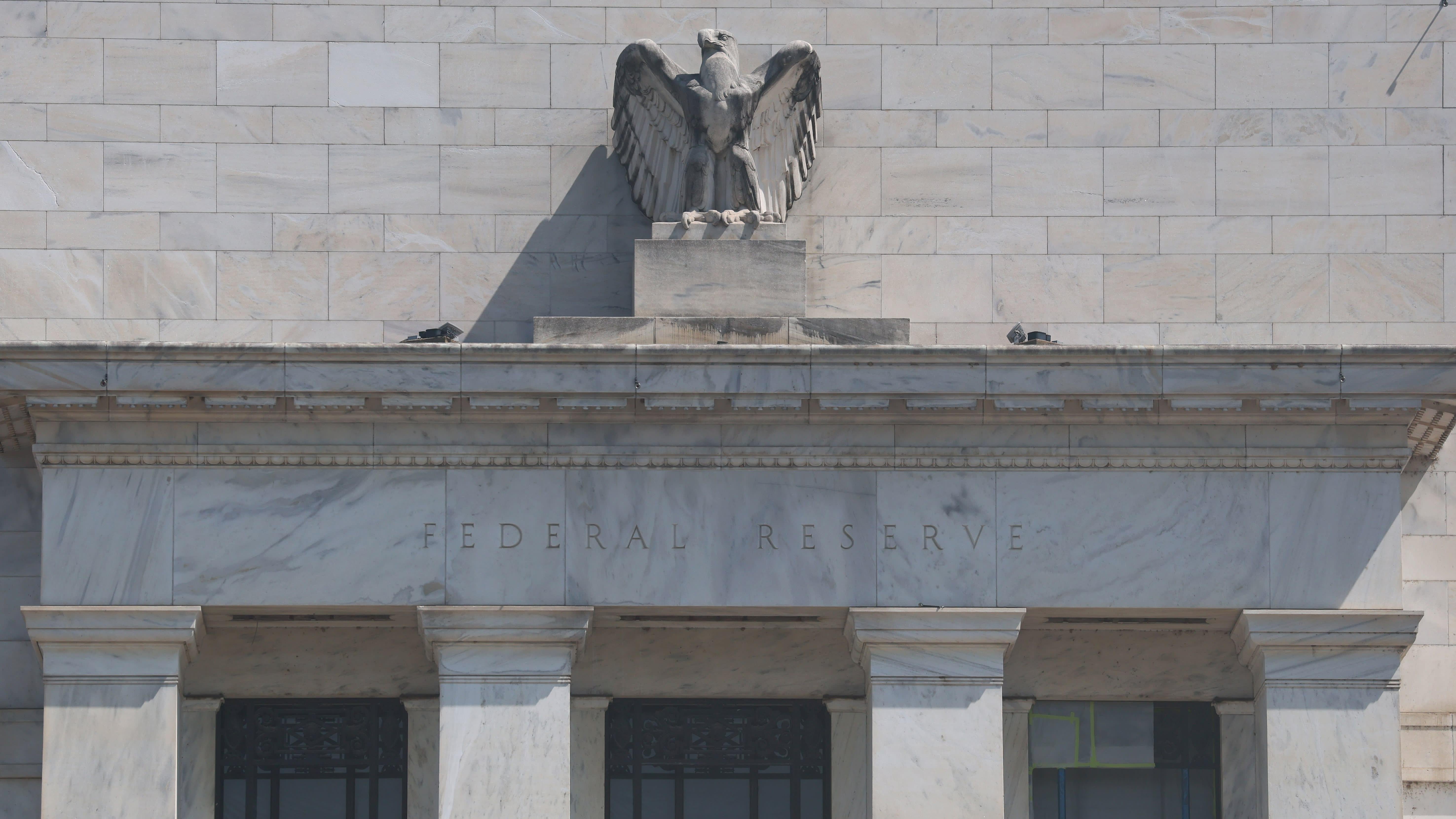
tldr: Rate cuts by the Federal Reserve would be “counter-productive” and the US central bank may even need to lift borrowing costs as policymakers contend with the fallout of Donald Trump’s war in Iran, Pimco warned.
https://www.ft.com/content/ba919246-ff50-4b8d-931c-43ee8d37795d?syn-25a6b1a6=1
Posted by sandygws
15 Comments
Paywalled so:
Rate cuts by the Federal Reserve would be “counter-productive” and the US central bank may even need to lift borrowing costs as policymakers contend with the fallout of Donald Trump’s war in Iran, Pimco warned.
Dan Ivascyn, chief investment officer at the $2.3tn bond giant, said the surge in energy prices triggered by Iran’s closure of the Strait of Hormuz has created new challenges for US policymakers who have struggled for years to reduce inflation to the central bank’s 2 per cent target.
“We’ll want to see measured responses [from central banks] or even, if necessary, potentially a tightening of policy,” Ivascyn told the FT on the sidelines of the annual Milken Institute conference in Beverly Hills, California.
“[The] US is further away from that, but you are going to see more tightening as it looks today in Europe, the UK and maybe even Japan, and I wouldn’t take it completely off the table for the US either.”
He added that any reduction in US borrowing costs “would be counter-productive . . . given the inflation dynamic and the uncertainty around inflation, the uncertainty around inflation expectations”, noting that any such move “very well could lead to higher intermediate long-term rates”.
Jenny Johnson, chief executive of Franklin Templeton, a US asset manager with $1.7tn in assets under management, added in a separate interview at the conference that “inflation is going to be harder to keep control of,” warning that “it’s going to be difficult for the Fed to cut.”
She said that investors were showing an increased appetite for inflation-protected assets, with interest in real estate as rents typically go up with broader price rises.
The remarks come amid a fierce debate at the Fed over how to respond to the rise in inflation prompted by the jump in oil prices. Inflation in personal consumption expenditures, the Fed’s preferred gauge, registered 3.5 per cent in March, the highest level in almost three years.
The Fed last month held rates steady for the third straight meeting, but its decision featured the highest number of dissents among rate-setters since 1992.
The Fed retained a hint in a statement following the meeting that its next move could still be a reduction in interest rates. This so-called easing bias means most Fed watchers still do not expect rate rises, while trading in futures markets suggests investors are broadly betting that policymakers hold borrowing costs steady this year.
The world’s biggest economy is a net exporter of oil and gas, meaning “the pressure in terms of inflation is widely different in the US versus the UK or Germany,” said Pimco’s chief executive Manny Roman.
Still, he and Ivascyn said that buoyant corporate earnings and anticipated expenditure on AI projects had continued to propel stock markets higher, adding further heat to US growth.
US bond yields have soared as the war upended expectations coming into 2026 that the Fed would cut rates several times this year. The two-year yield, which closely tracks policy expectations, has jumped around 0.5 percentage points since the war began in late February to 3.87 per cent.
Both Pimco and Franklin Templeton said they expected the Fed to remain independent, even as Trump has sharply criticised the Fed and its chair Jay Powell for not sharply reducing US borrowing costs.
Powell last week said that he would stay on as a Fed governor after his term as chair ends on May 15, breaking longstanding precedent. At a post-meeting press conference on April 29, he pointed to “legal assaults” by the Trump administration on the world’s most important central bank.
Kevin Warsh, the US president’s nominee for the chair position, “will certainly try to narrow the Fed’s scope, likely reduce the amount of communication associated with the Fed process in general”, said Ivascyn.
But the bond fund manager believes that “Warsh will be sufficiently independent in the areas that the market cares about . . . The setting of rate policy, the management of the balance sheet.”
Franklin Templeton’s Johnson added that Warsh “is going to care about his long-term legacy, which goes beyond the Trump administration. And so I think he’s going to try to do what he believes is right.”
“The courts have ruled; the checks and balances that the Founding Fathers put in the system are kind of working,” she said. “There can be a lot of statements around trying to influence the Fed, but the Fed is still independent.”
Warsh’s appointment has been approved by the powerful Senate banking committee and he is broadly expected to be confirmed by the Republican-controlled Senate before Powell’s term ends next week.
Fuck that war its gonna be like Russian, its gonna be another war for 25 years, but people don’t gonna remember in 6 months
No chance rates are raised
Art of the deal!
Sure! No way the fed is going to increase the rates.
This is looking more and more like the 1970s stagflation—also courtesy of very high oil prices due to supply shocks. The question is, if debt to GDP is much higher now than it was half a century ago, and runaway inflation happens, will they be able to jack up interest rates to extreme levels without bankrupting the government.
That’s when I take my short positions
So calls
WHATEVER, CALLS!
MM’s really pumping this narrative out LMAO
Pimco is dumb as fuck too
What war? They are just playing Battle Shits 🚀💩
Wow. A fixed-income manager with a view that warns of rising rates? Who would have thunk?!?
Yeah this ain’t happening sorry bears
How do higher interest rates address supply interruptions?