
JPMorgan CEO has strong warning on America's skilled workforce. Welders. Electricians.
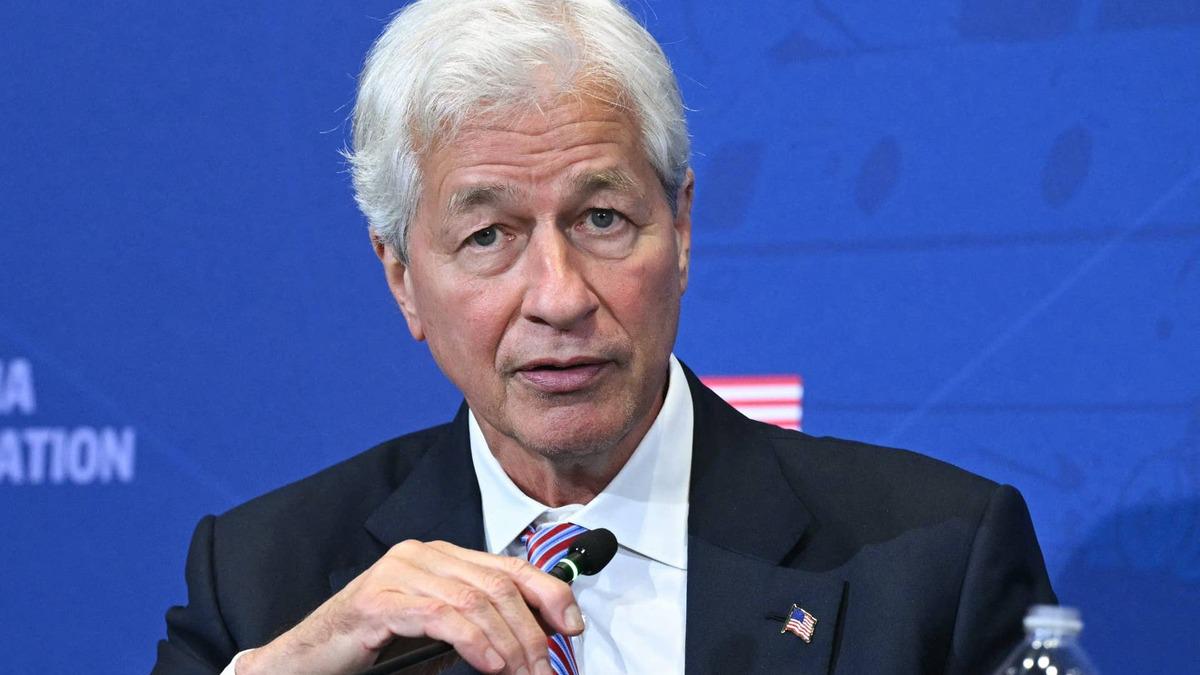
At a moment when half of corporate America is talking about replacing workers with AI, Jamie Dimon flew to Philadelphia and said something different. The country doesn't have enough welders. It doesn't have enough electricians. And the ones it does have are getting old. Dimon spoke from the Philadelphia Navy Yard on July 15, where JPMorgan Chase announced a $24 million investment into the city's shipbuilding and maritime manufacturing sector. The money matters, but what he said about the workforce is the bigger story.
Why skilled trades pay $80,000 to $100,000 without a college degree Dimon made a specific pitch on July 15 that went beyond the workforce crisis. He described skilled trades as a path to real money without a college degree or college debt. "It fits what we call the American dream," he told reporters. "Getting kids skills or all workers' skills that they have jobs that could pay 80-, 90-, $100,000 a year after you know a year or two of training. This lifts up America. It helps build the defense industry."
Apprenticeships in the skilled trades often pay workers while they train. That's the opposite of college, where you pay tuition while you learn and hope the job offers afterward justify the debt. A welder or electrician who completes an apprenticeship program can reach six figures in their mid-twenties with no student loans.
The numbers show how far it's gone. The American merchant fleet is down to fewer than 190 flagged vessels from a peak of nearly 3,000 in the 1960s. Hampton Roads in Virginia currently has a shortage of 10,000 shipyard workers. That figure is expected to grow to 40,000 by 2030, according to Yahoo Finance.
The comparison to white-collar careers has gotten more relevant as AI continues to displace knowledge work. Programming, data analysis, writing, basic legal work, all of these are being automated or compressed. A welder is still a welder. The job is physical, it requires skill that takes years to develop, and no language model can do it remotely.
Huntington Ingalls Industries, the largest military shipbuilder in the country, invests more than $110 million annually in workforce development just to keep up. HII hired over 1,600 shipbuilders in Q1 2026 alone and said its apprentice schools are now at full enrollment. That pace of hiring reflects genuine demand, but also how thin the existing pipeline is.
https://www.thenewstribune.com/news/business/article316552301.html?link_source=ta_first_comment&taid=6a5a97e58b5a460001538be3&utm_campaign=trueanthem&utm_medium=social&utm_source=facebook&fbclid=Iwb21leATKUShjbGNrBMpQYmV4dG4DYWVtAjExAHNydGMGYXBwX2lkDDM1MDY4NTUzMTcyOAABHhQDy_Hu-iZWbNUMg2qsAYS0y6zGz1AtCBMAPLjhdQenWze1uCSEIk2sx9tB_aem_FUZP8MHyt6IZtN7lnuDV9w
Posted by coinfanking
4 Comments
…and contributing to savings and adult commitments, 4 years sooner than the college route
If everyone starts going into the trades the expected wage will dump
Wages are high because there’s a shortage
In 6 years he’ll be giving this speech again when these industries become oversaturated or taken over by robots. You may make “good” money now in these jobs but once the flood of displaced white collar workers move in those salaries will plummet and they will realize they have the same problem they’re avoiding fixing today. Too many people, not enough jobs. If we didn’t live in a capitalist hellscape people would be celebrating that we don’t have to work anymore and could focus on feeding, housing, and providing healthcare to all. This next election is probably the most important one of all time, and most people aren’t even aware.
Maybe if the “trades” welcomed more women and fewer third generation hole-watchers, and made the process of apprenticeship more dependent on desire to learn than ability to trade sexist jokes with a fat asshole in a MAGA hat at the union hall, they could find more workers.